You earn more than you used to. On paper, things look fine. Markets swing, headlines scream record highs one week and existential dread the next, but your income is solid and your expenses are under control.
And yet your money still doesn’t feel like enough.
Not because you’re irresponsible. Not because you don’t save. But because your financial life is designed to feel fragile.
The problem isn’t that money isn’t allocated. Most people already do that. The real problem is how easily good decisions can be undone.
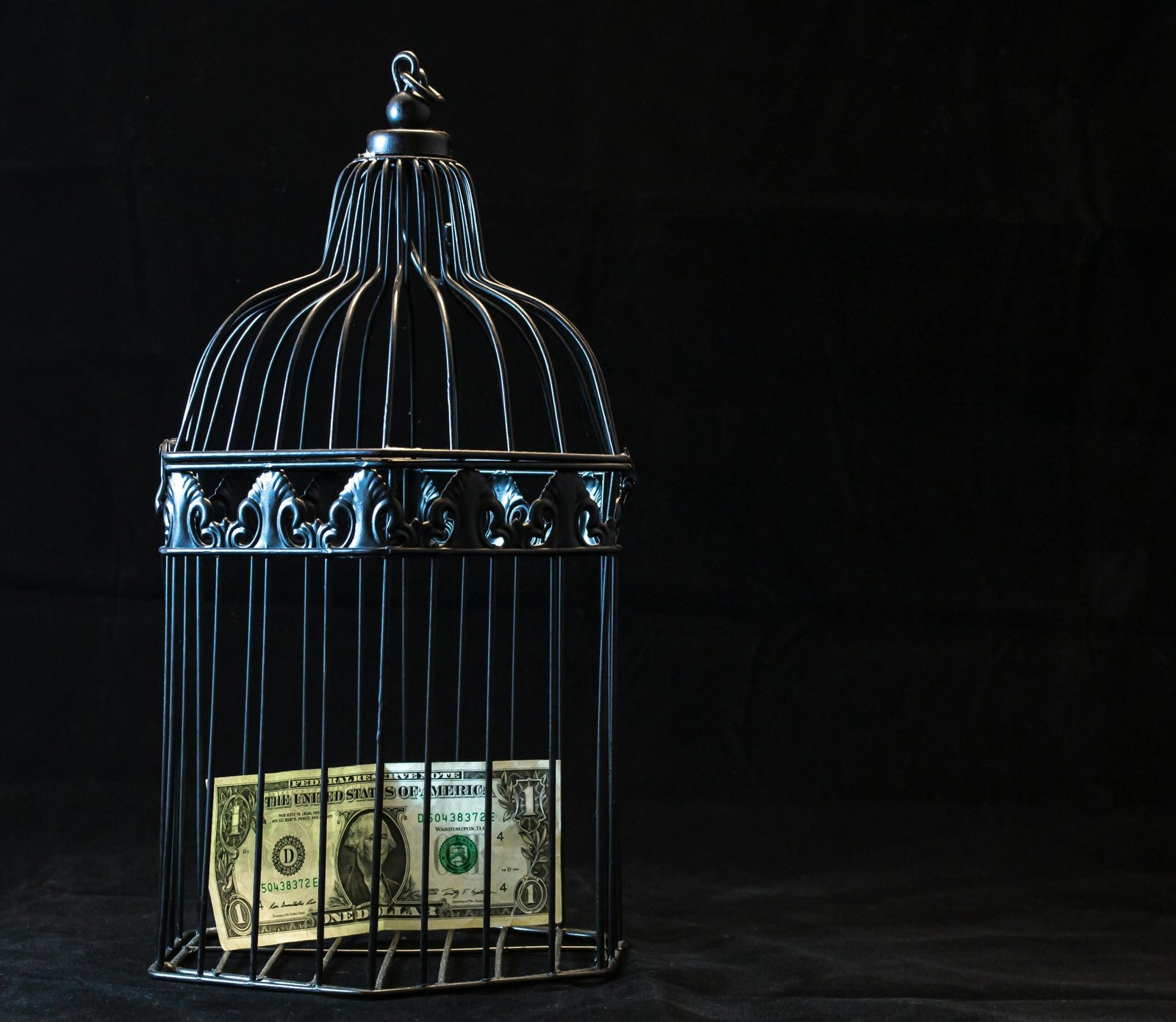
If your savings are one tap away, your long-term investments can be liquidated instantly, and your “important money” looks identical to your “fun money,” then allocation is cosmetic. Good behavior is reversible. Bad behavior is frictionless. That’s not a system — that’s wishful thinking.
Money feels unsafe when restraint is optional.
This is why convenience is quietly overrated in personal finance. Speed feels modern, but it also removes the pause that protects you from yourself. A little friction isn’t inefficiency. It’s psychological insurance.
There’s another layer most advice misses: money anxiety is often a calendar problem, not a math problem.
Even people who earn well feel constant pressure because cash flow timing is chaotic. Bills cluster. Large expenses arrive unevenly. Income lands in lumps while spending happens daily. When money enters and exits your life unpredictably, your brain reads that as risk — even if the totals work out.
Smoothing timing matters more than optimizing returns. Space between earning and spending creates calm. Compression creates stress.
Then there’s the quiet killer nobody wants to talk about: too many options.
Too many accounts. Too many funds. Too many possible “better” decisions. Optionality feels sophisticated, but it often turns into permanent indecision. Every choice left open becomes a background task your brain never closes.
Money doesn’t feel heavy because you spend too much. It feels heavy because nothing is ever fully decided.
This is why people with simpler setups often feel more secure than people with more money and more complexity. Fewer options mean fewer open loops. Fewer open loops mean less anxiety.
At its core, this is a behavioral problem, not a financial one. If you want the clearest explanation of why rational people still feel uneasy around money, The Psychology of Money by Morgan Housel is worth reading It explains why uncertainty, not income, is what really drives stress.
“Enough” isn’t a number. It’s a condition created by irreversibility, predictable timing, and intentional simplicity.
Markets will rise. Markets will fall. None of that decides whether your money feels enough.
What decides it is whether your financial system protects you from constant reconsideration.
Your brain isn’t failing. The design is.
Fix the design, and “enough” stops being a moving target and becomes your default state.